Sunday, October 21, 2012

mini, mimi, jolie sortie


   Once more we started ‘very traditionally’ with 2km of tarmac before making the “real start”. It’s not very pleasant to walk so long on hard ground and is a shame. To go to the Belvédère des Sangles, and then eventually arrive to the Charmant Som via Malamille, you need to park at Vallombré bridge just adjacent to the road. Don’t bring all your friends as there isn’t that much parking space. The road is cool, large, and not very steep, though what a waste of time from the real mountain walk. 
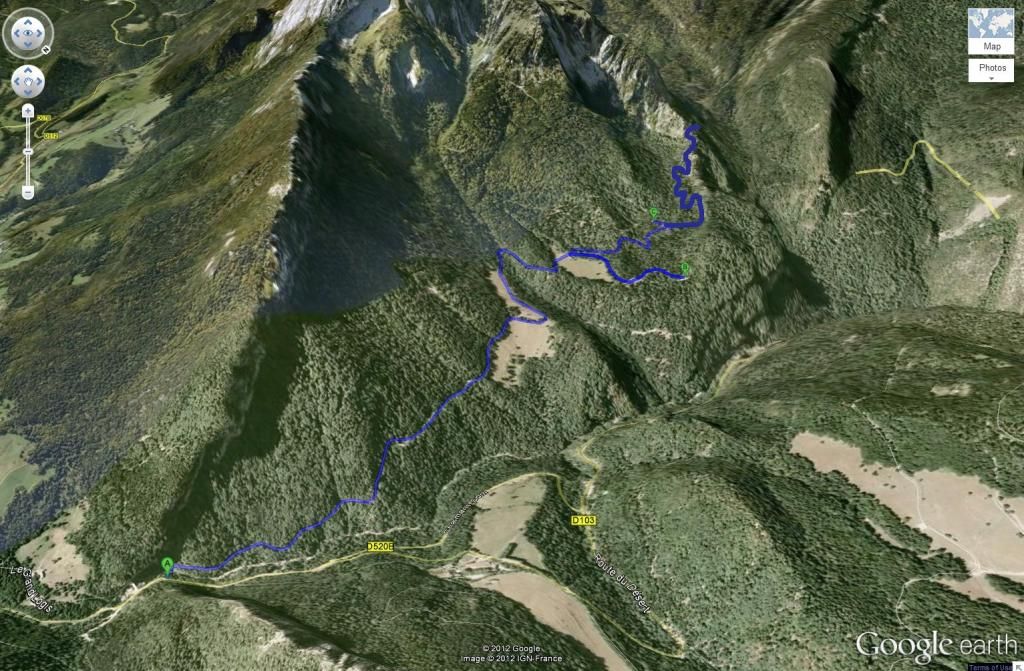

   In any case, we enjoyed ourselves, as wherever we go, it’s a beautiful place. The objective was not to reach the Charmant Som and as I look back I see that it was a good decision – it seems to be rather long from this side. Just a case of scouting out the paths, then.
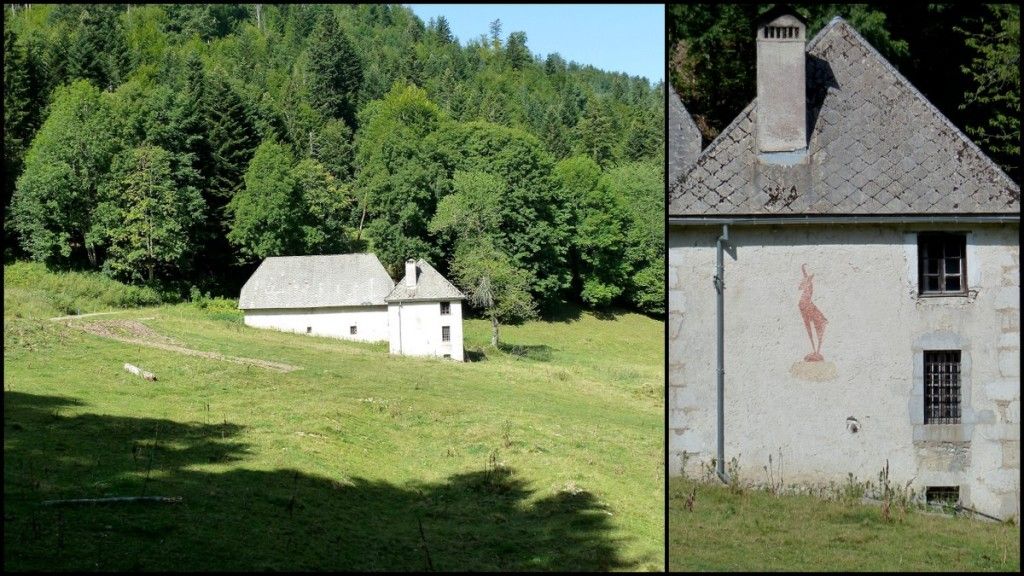


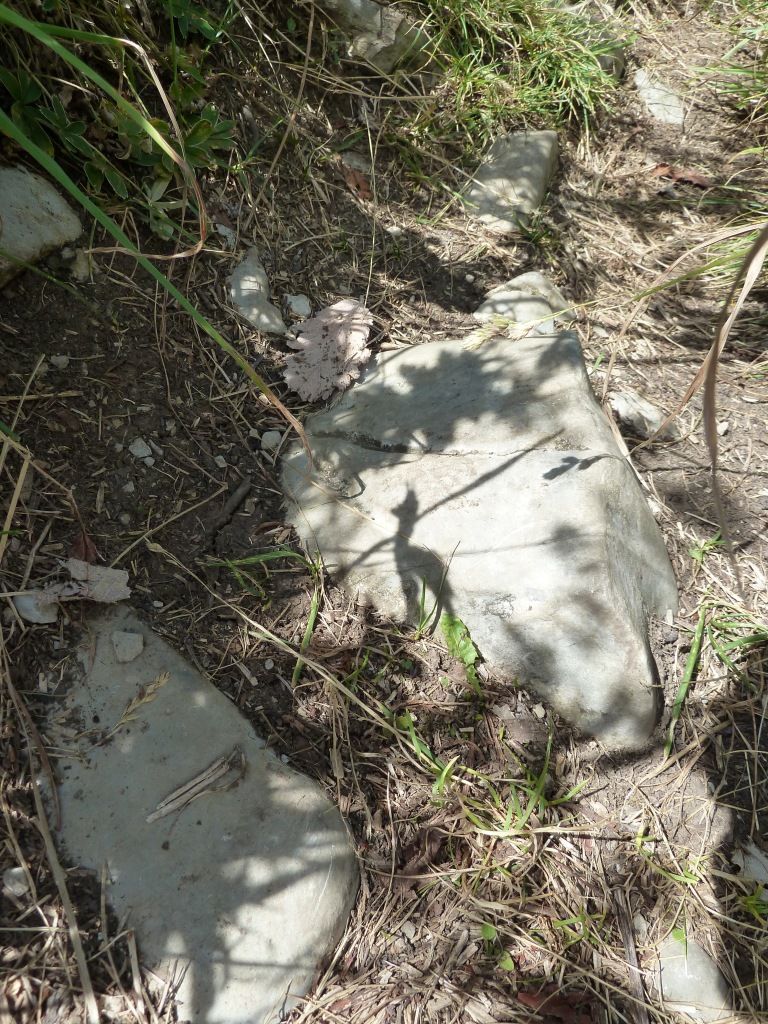
   At Malamille, there are some nice clearings with a few buildings, one of which has the chamois. Yes, it’s actually the shadow we saw (see previous blog). When I was 18, I toured the Chartreuse and I remember a great evening spent in this grange with its large hearth cooking some meat and a nice platter of polenta.
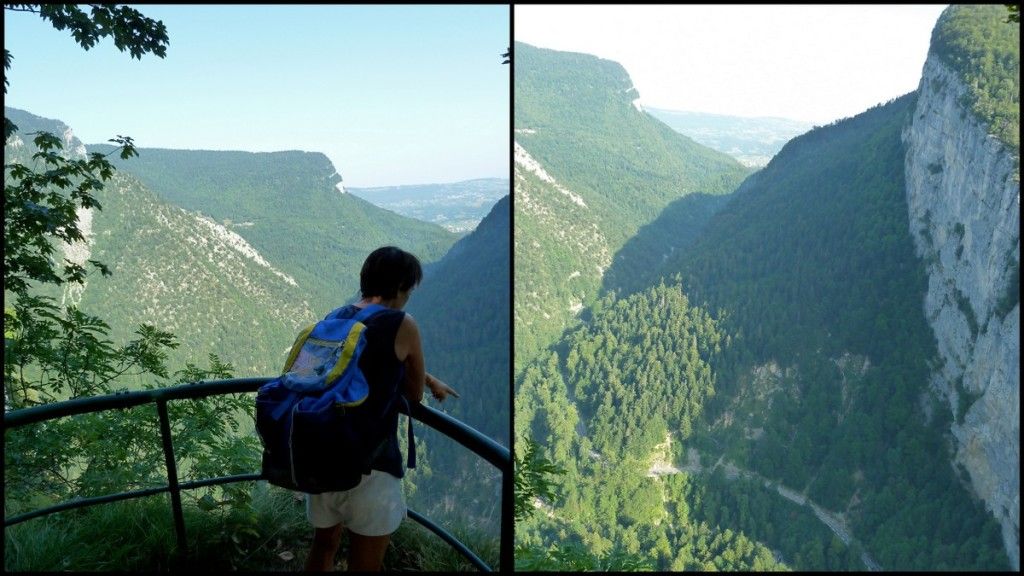


   The Belvédère des Sangles is announced as a 1h35 hike, however a good hour is all that’s needed to get there, and that, at an easy level. Very nice view over the gorge and the road that joins St Laurent to St Pierre. Then, it’s back to the Malamille granges to take the other path climbing to Cochette. A steep climb, but all in zigzags with some nice stone retaining walls. What great work undertaken by those who maintain the mountain paths. We didn’t go any further because at the crest, the climb down was very steep and we would have had to climb it again on the way back. Climbing on the way to our target, yes, but I don’t like having to do so on the way back – that should be for butterfly-spotting, and beautiful walk savouring, without too much sweat.
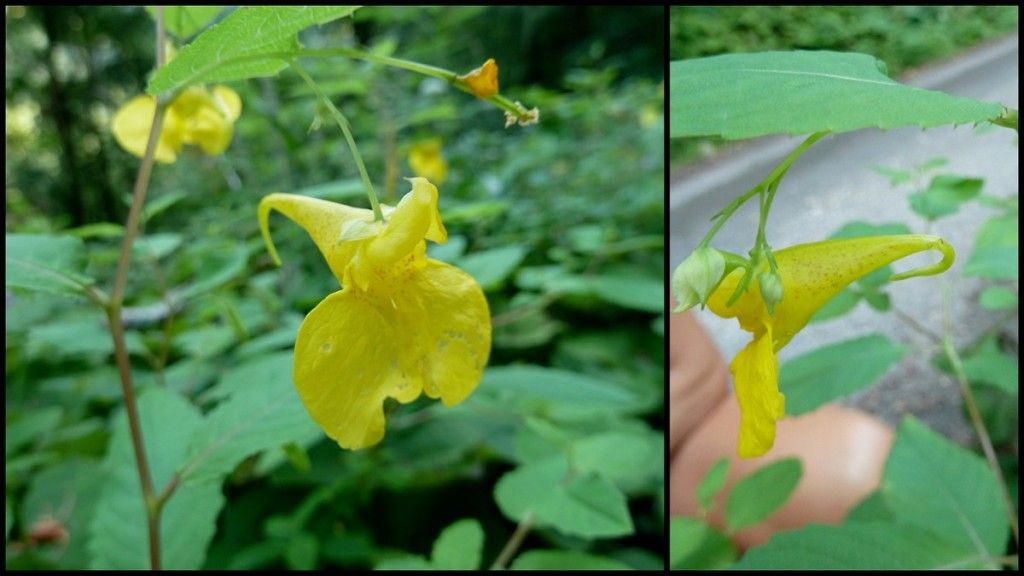


Once more, some beautiful flowers whose name is still unknown to me. What structure !  
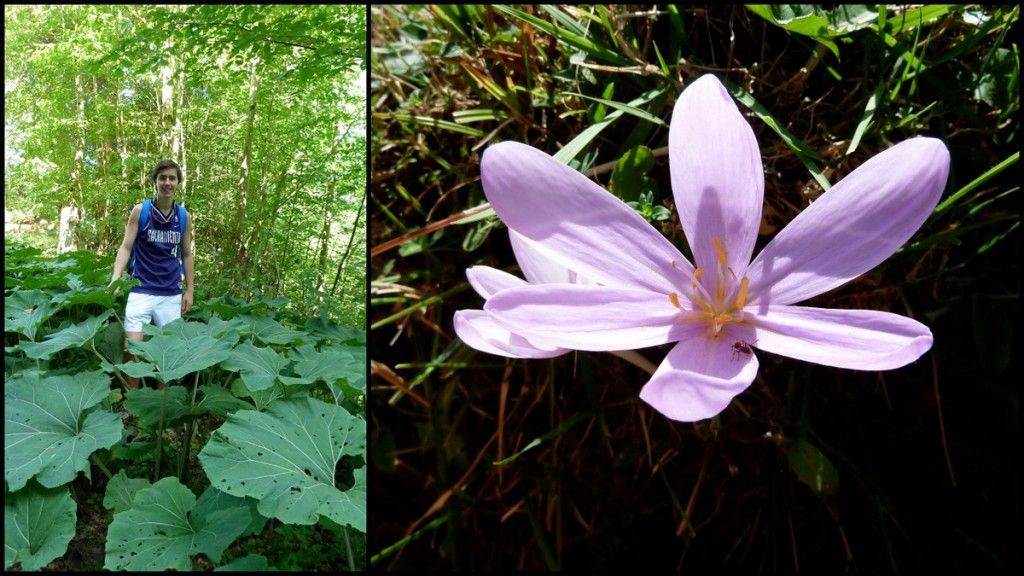


Luckily, the “feuilles de pâtes” at home were not as big as these ones !
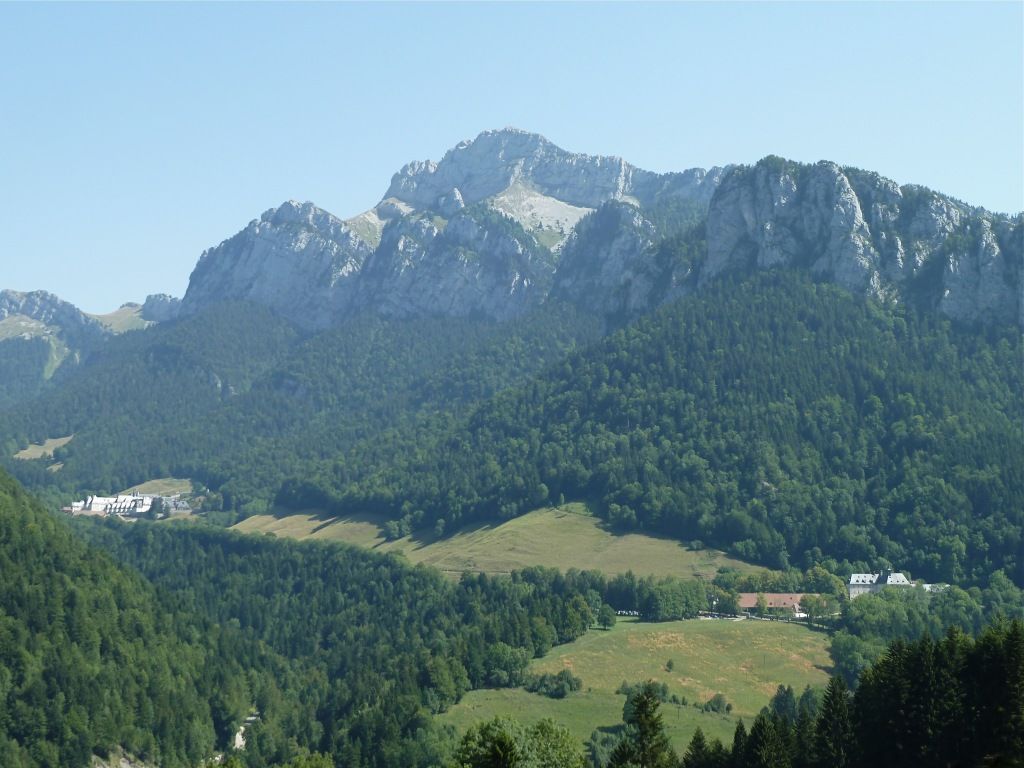


   I like to “loop” but a two-way walk also has its advantages seeing as we don’t always have to look back to see the scenery. Therefore, on the way back and on the tarmac section, we had a great view over the Grand Som, crowned with its cross, and further down, the Monastery and the Correrie.
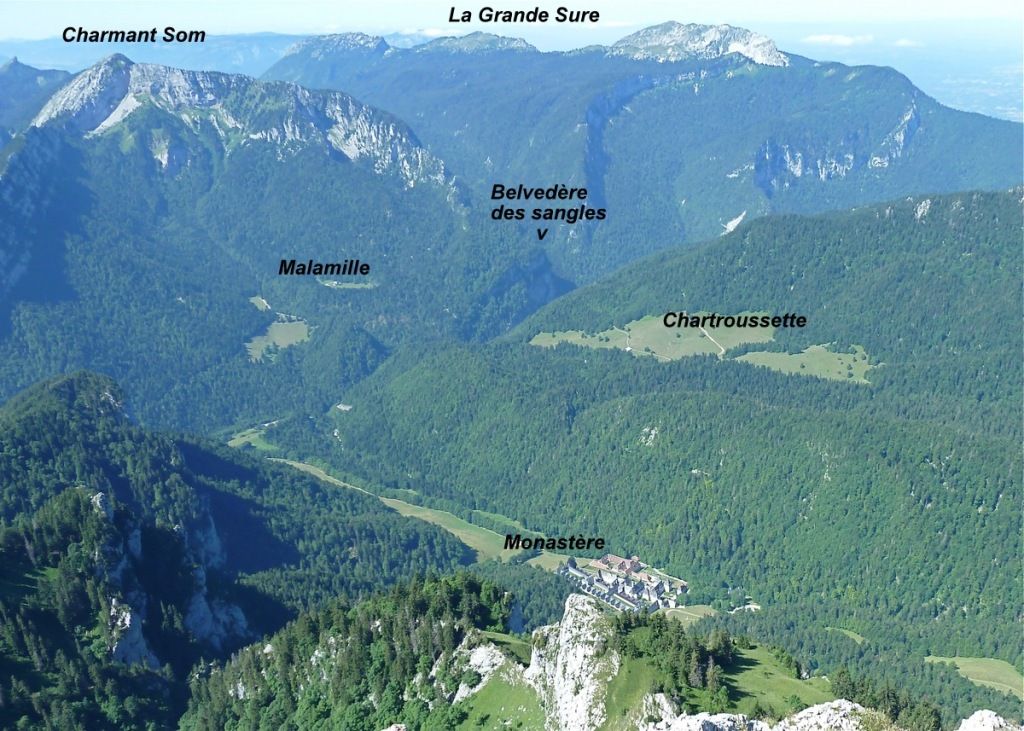


From the Grand Som, we had a good overview of our future walk.

19/08/2012 Malamille et Belvedère des Sangle

Thursday, October 18, 2012

Monday, October 15, 2012

Gambia 4 - France 5


♪ ♫ La gambie
c'est fini
et dire que c'était pas la ville de mon 1er amour
La Gambie
c'est fini
Je ne crois pas que j'y retournerai un jour. ♪ ♬


   Over four months, we did the rounds, been there, done that…. move on. For sure we won’t be spending our retirement there. The African Adventure doesn’t stop now however – for the time being, it’s off to Burkina Faso and another Laico, Ouaga 2000.
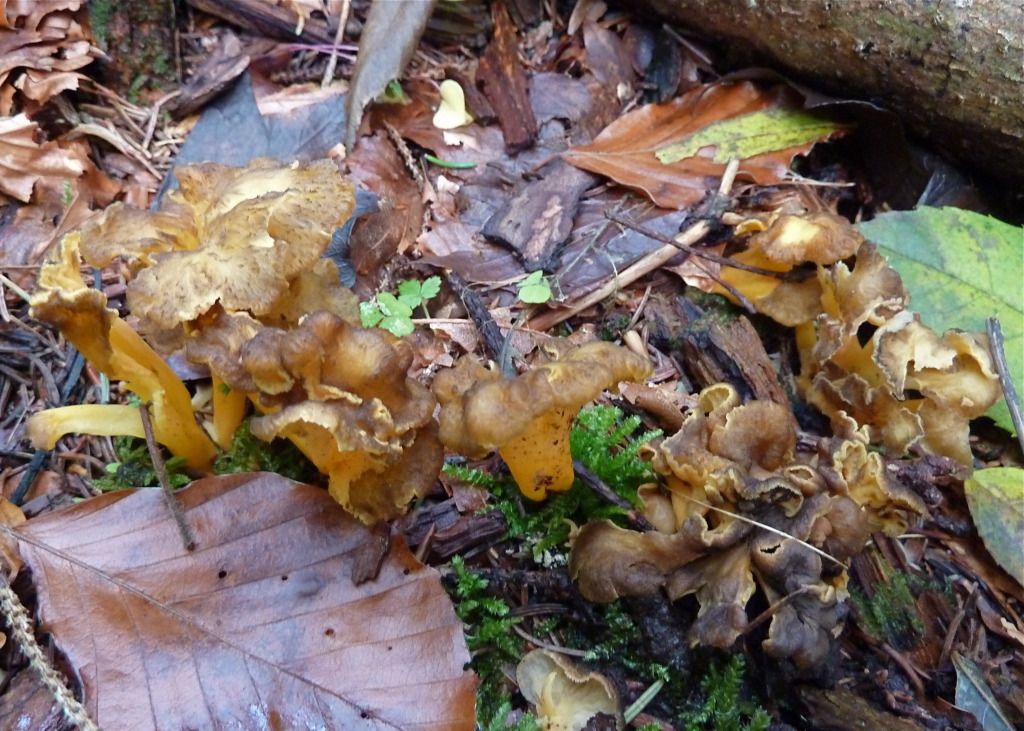
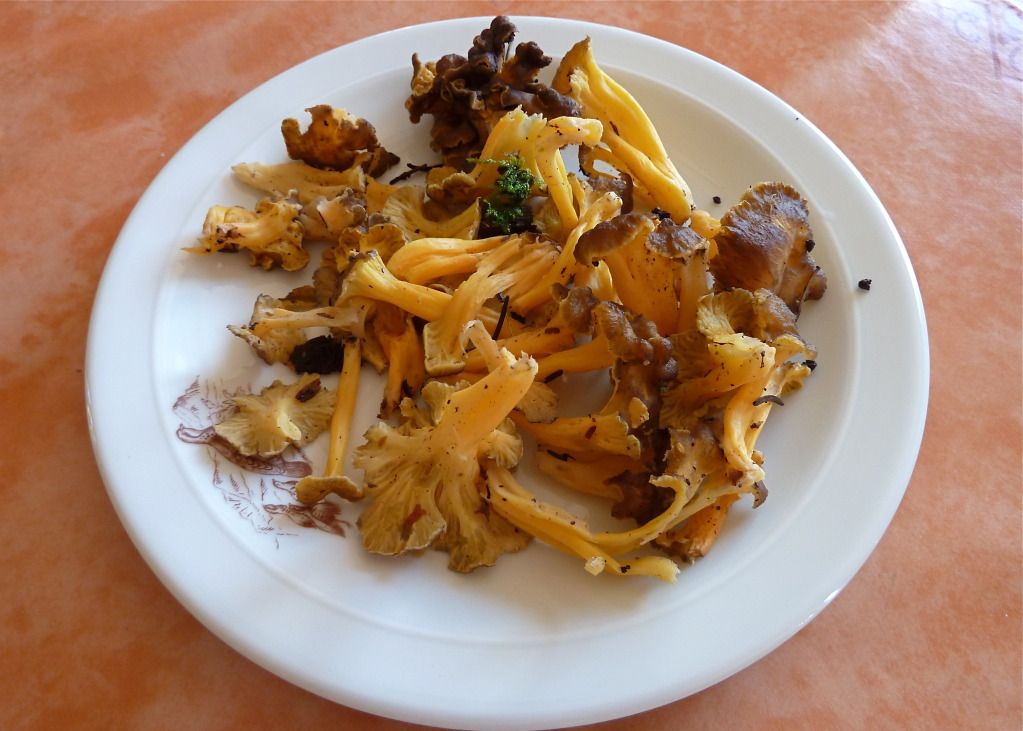
   I’ve been in France for five months – a few more weeks and I will fly off towards new discoveries, eyes open wide, ready to make the most of it. In the mean time, it’s mushroom season, particularly for chanterelles.


   Small harvests, but a large joy. Summer has been absolutely fabulous, and autumn will be the same… except for the weather… still a bit nippy ! In fact, the surrounding mountains have started turning white. Snowfall at about 1,300m, out come the hat and gloves ☺

Friday, October 12, 2012

Vas-y Vasa more, more, more


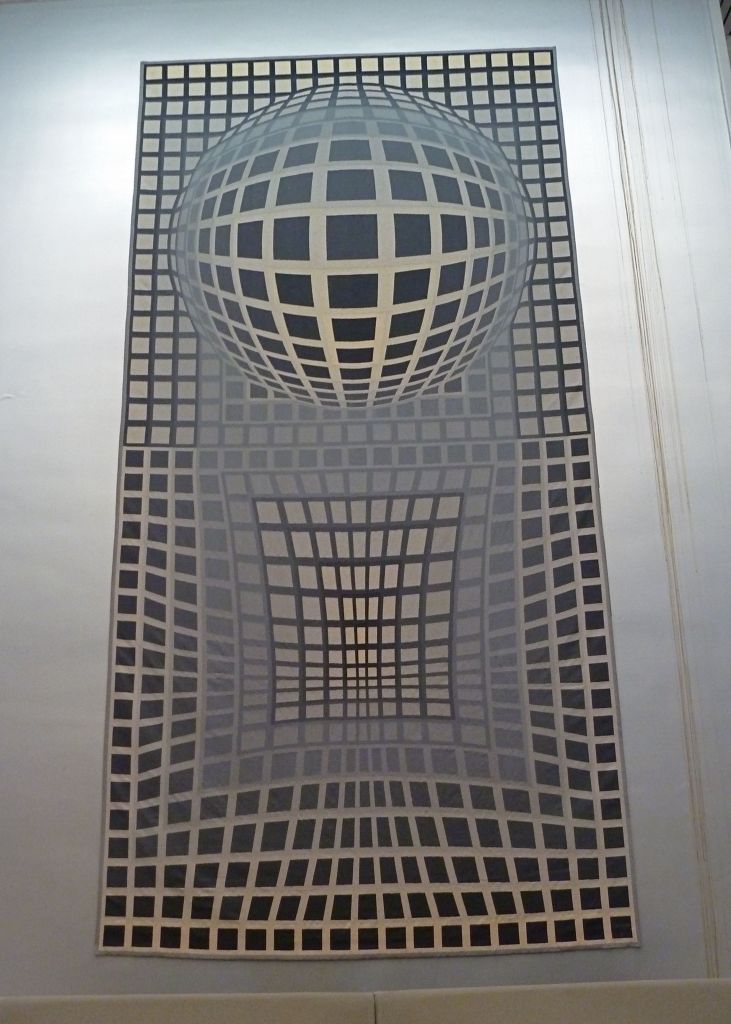
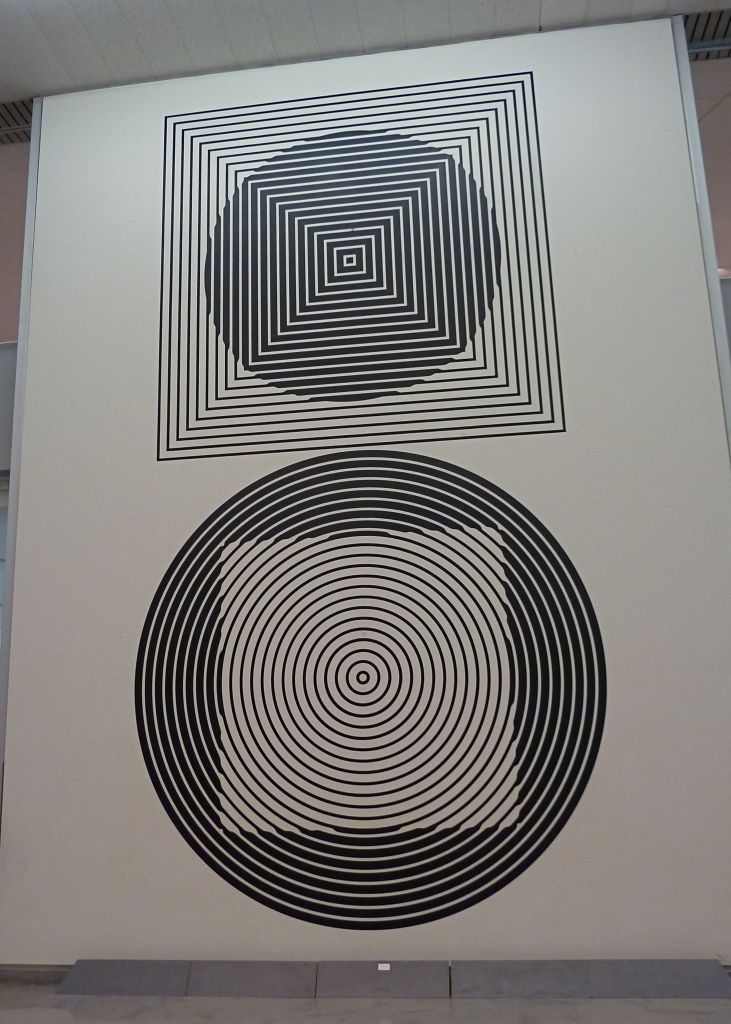
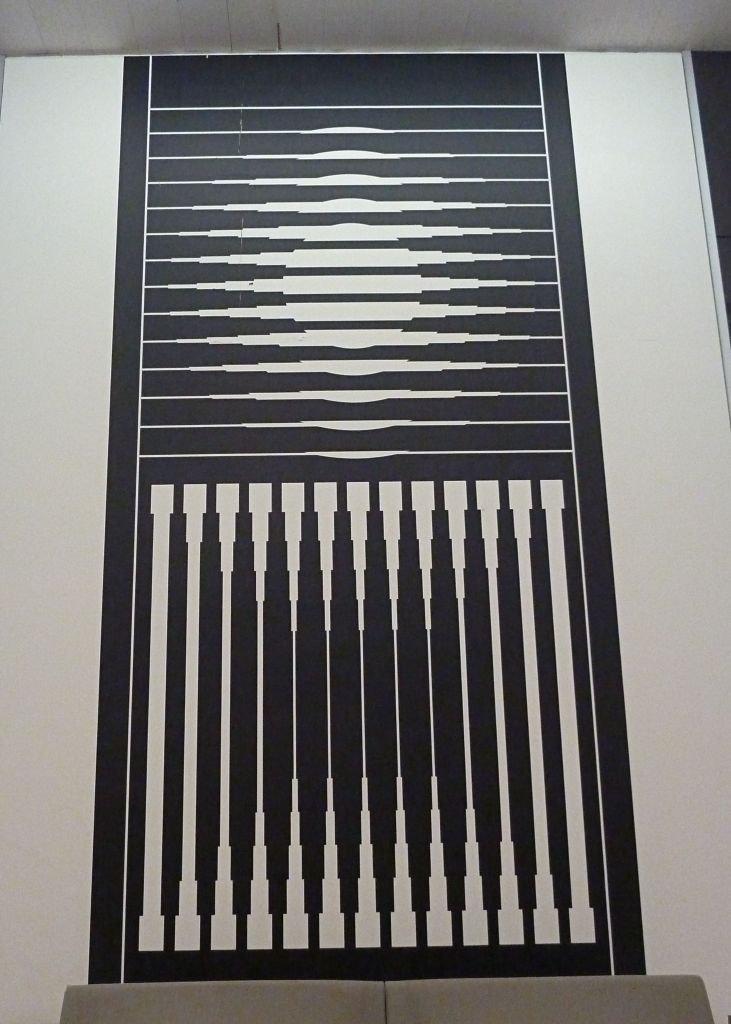
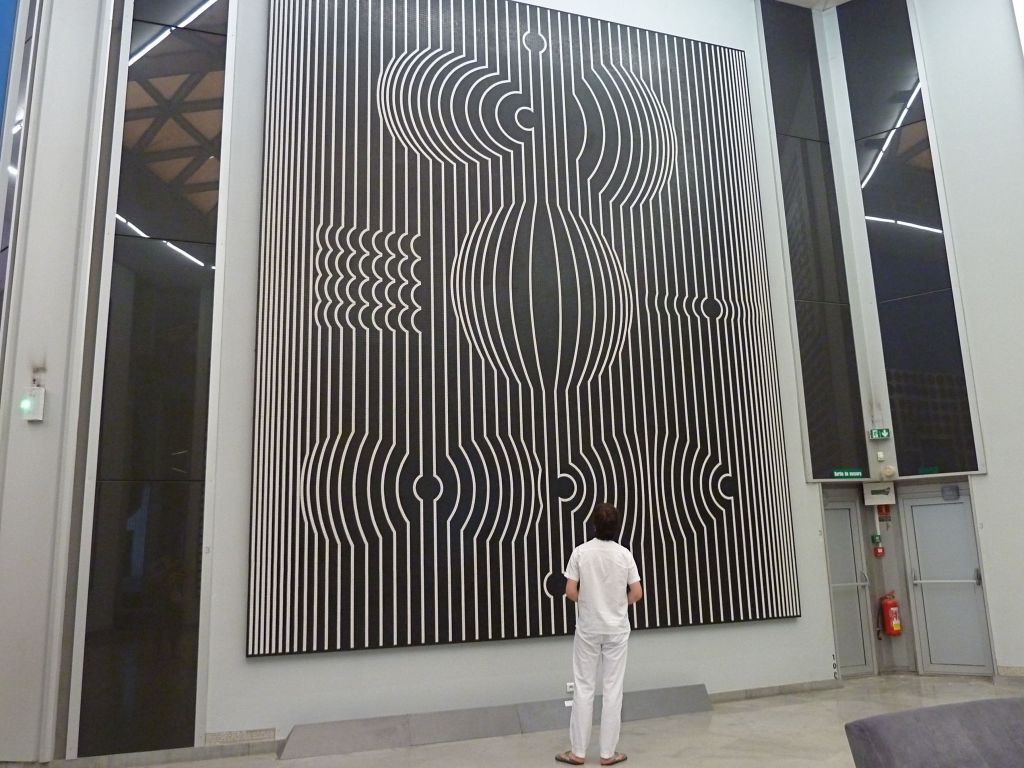
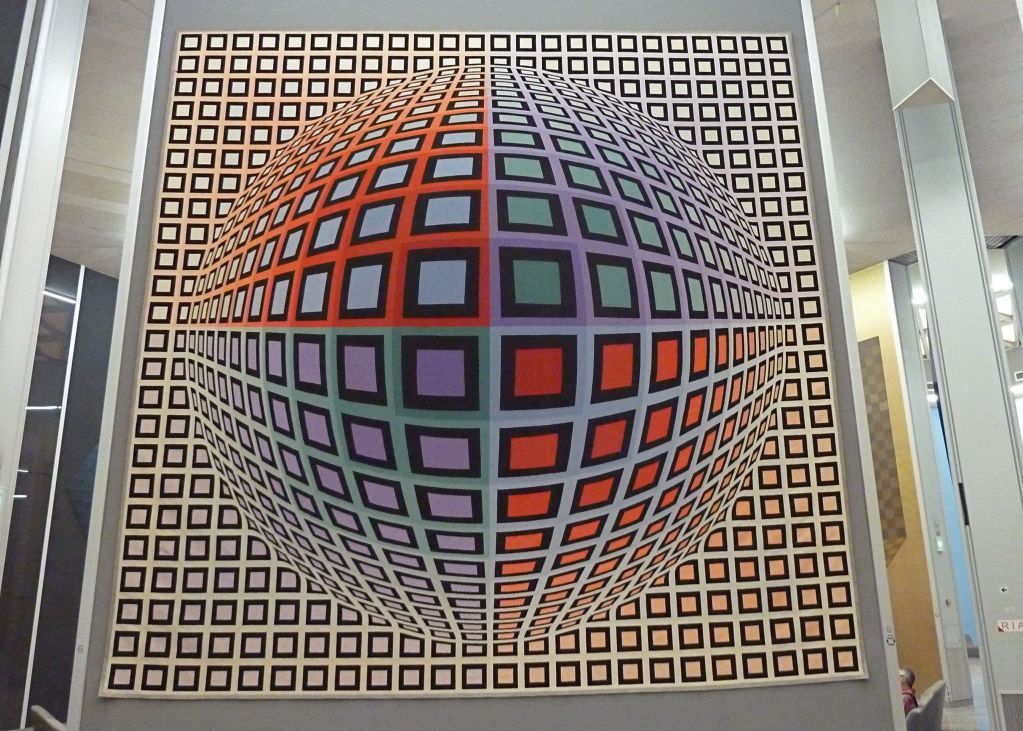
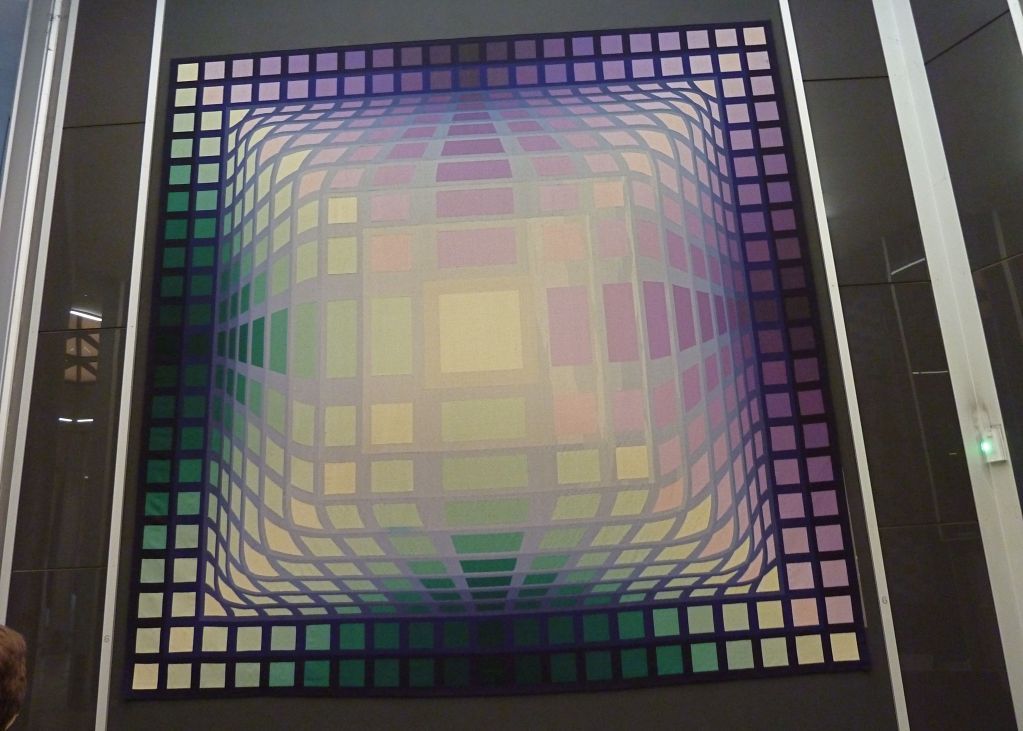
He transforms his shapes “dynamically”, 


stretching, repeating, gradually shifting, 


to invoke a movement on the surface,


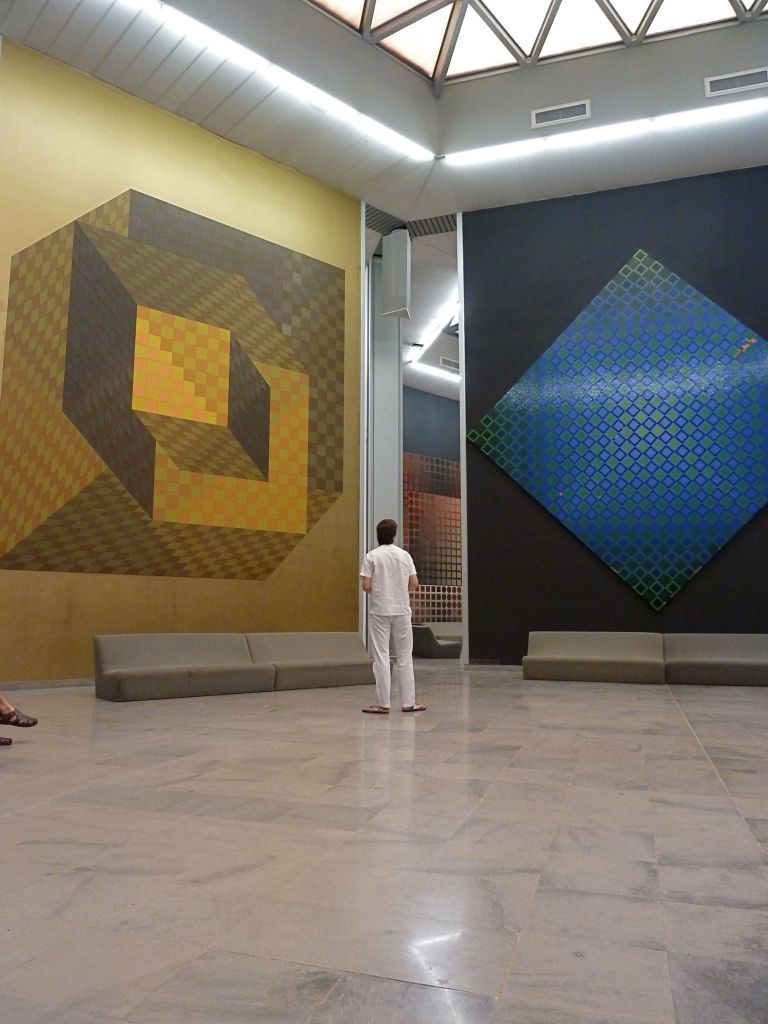
a feeling of volume,


of movement in space, 


via optical effects.


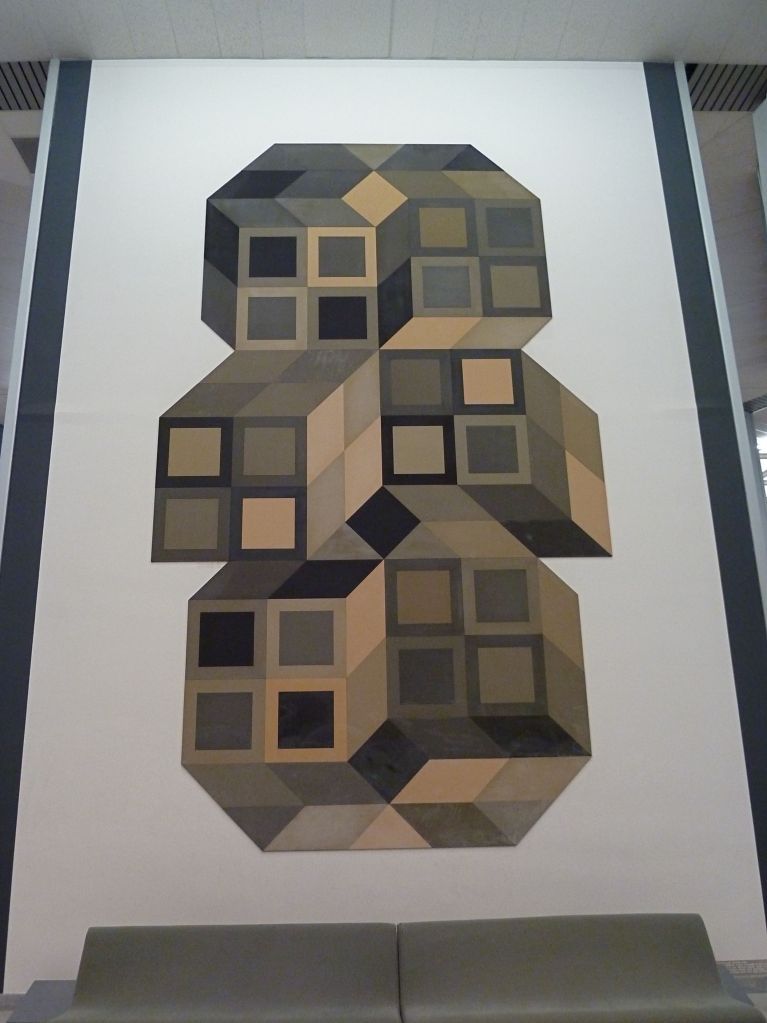
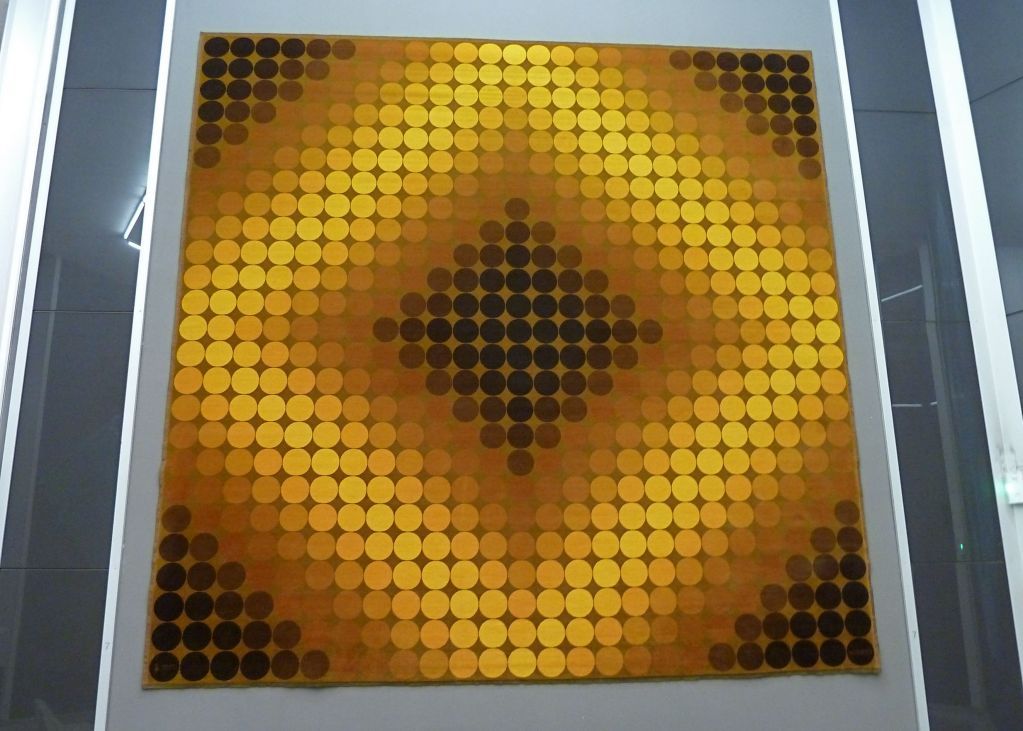
He uses all sorts of materials : tapestries, vitreous enamel, aluminium, or Delphi ceramics.


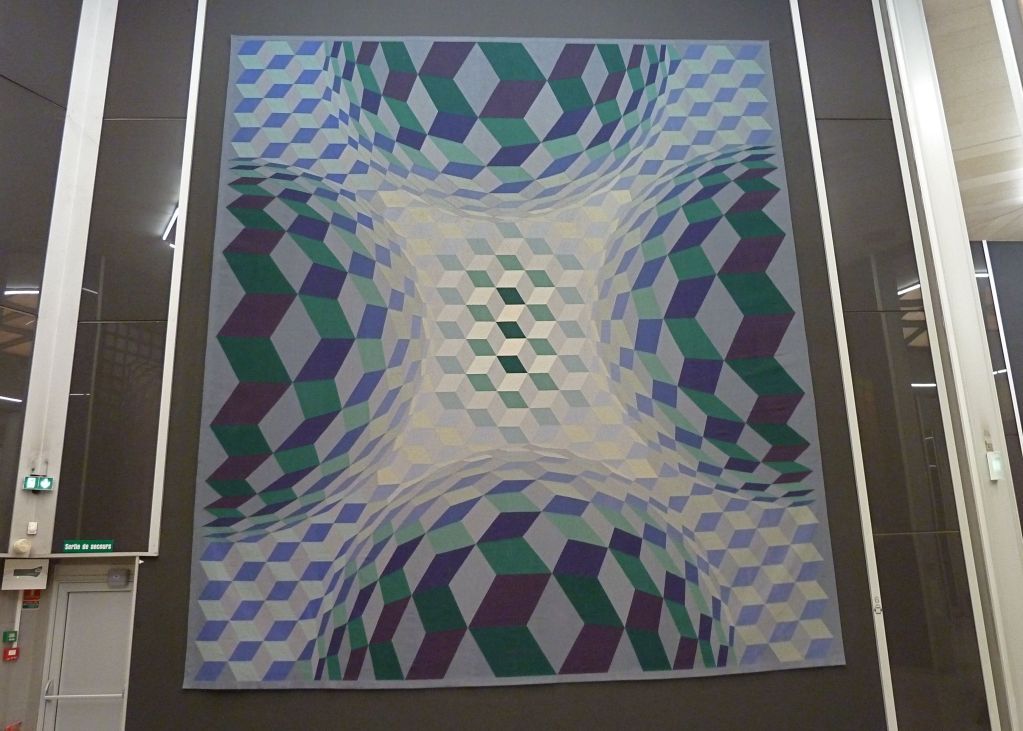
"On a surface of black and white, rotating some squares, mutating them into lozenges brings a vibration to the surface by adding space, movement, and time to the dimensional base."


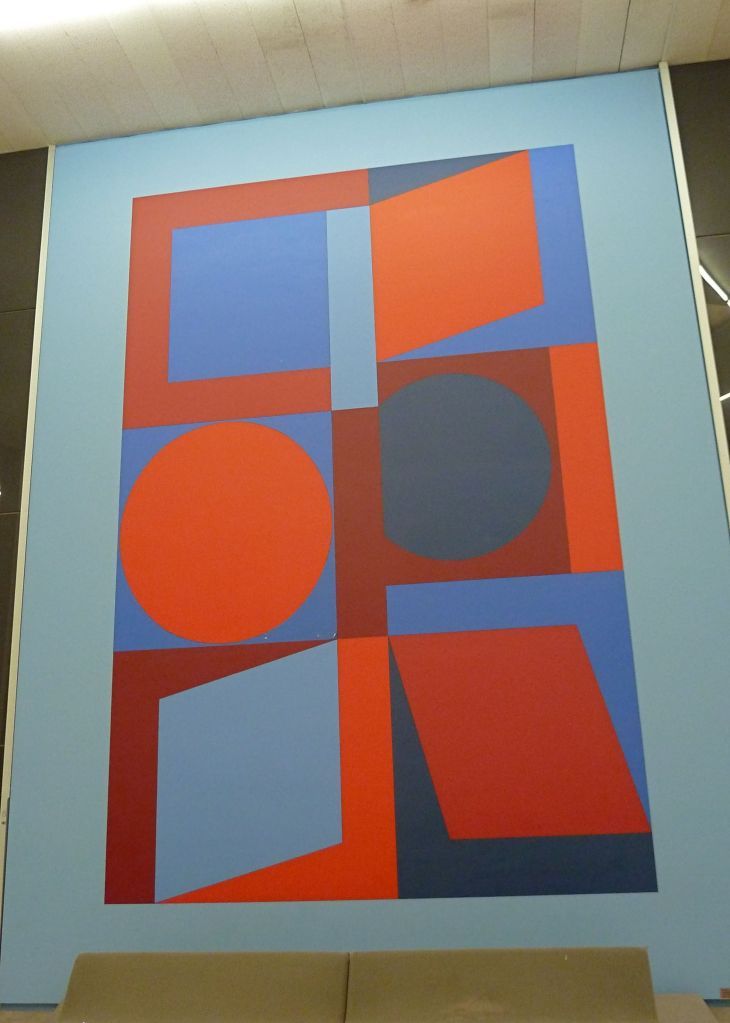
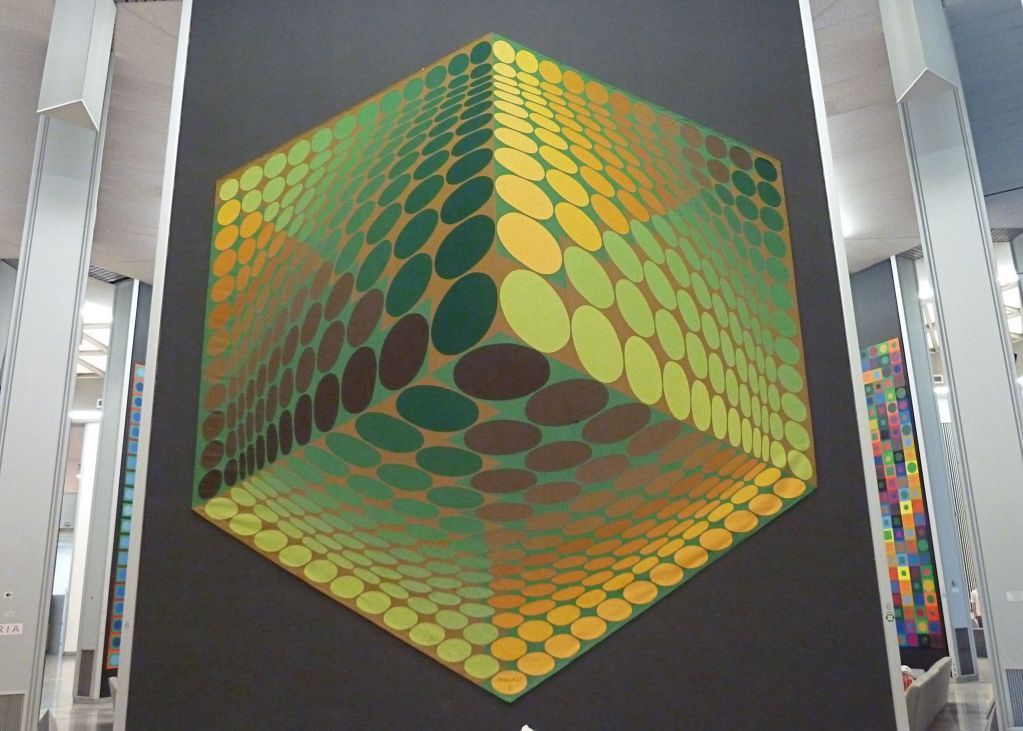
He likes playing with contrasts and oppositions,


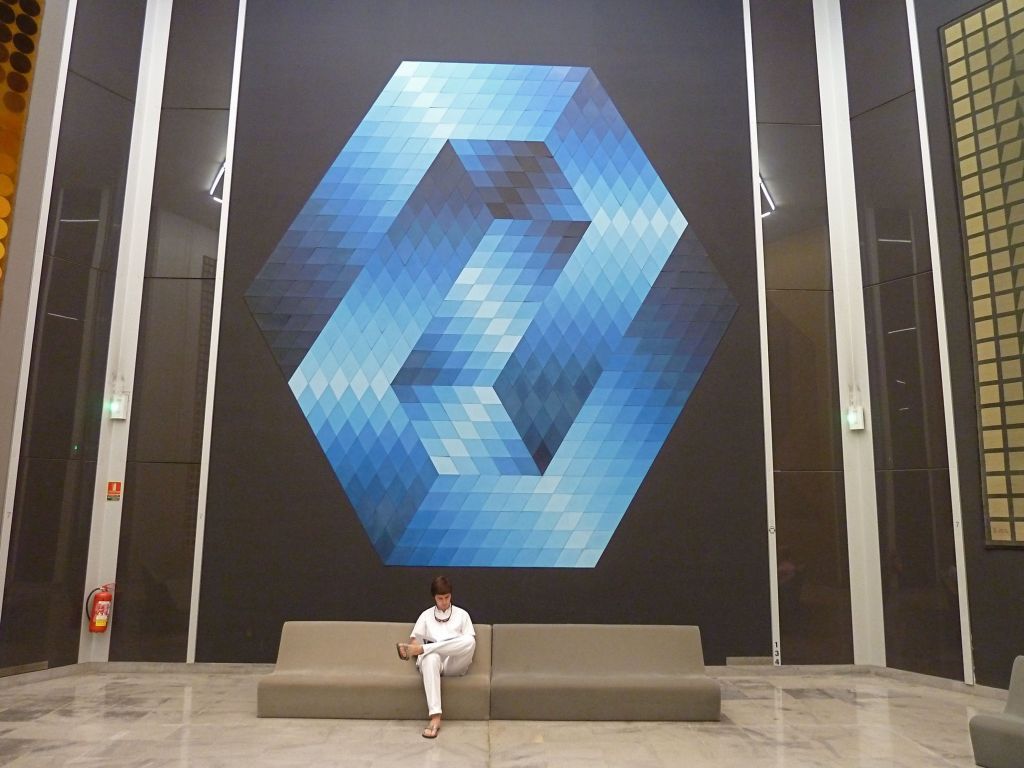
and often uses Kepler’s cube to play with light, shadow, and colour to generate a unique dynamic. 

Tuesday, October 9, 2012

Vas-y Vasa


   Aix en Provence, a place I’ve driven past many times, yet have never visited. For as long as I can remember, a huge V would tell us ‘you’re nearly there, Fréjus isn’t far… holidays!’ The V is still there on the side of the motorway, though maybe a little worse for wear.
   I always knew that it was Vasarely, despite not knowing who this person was and what he did. Well, this summer, I found the answer to my questions.
          Victor Vasarely, 1906-1997, Hungarian, was a visual artist who worked with plastic and made a name for himself in the world of contemporary art by creating optical art.


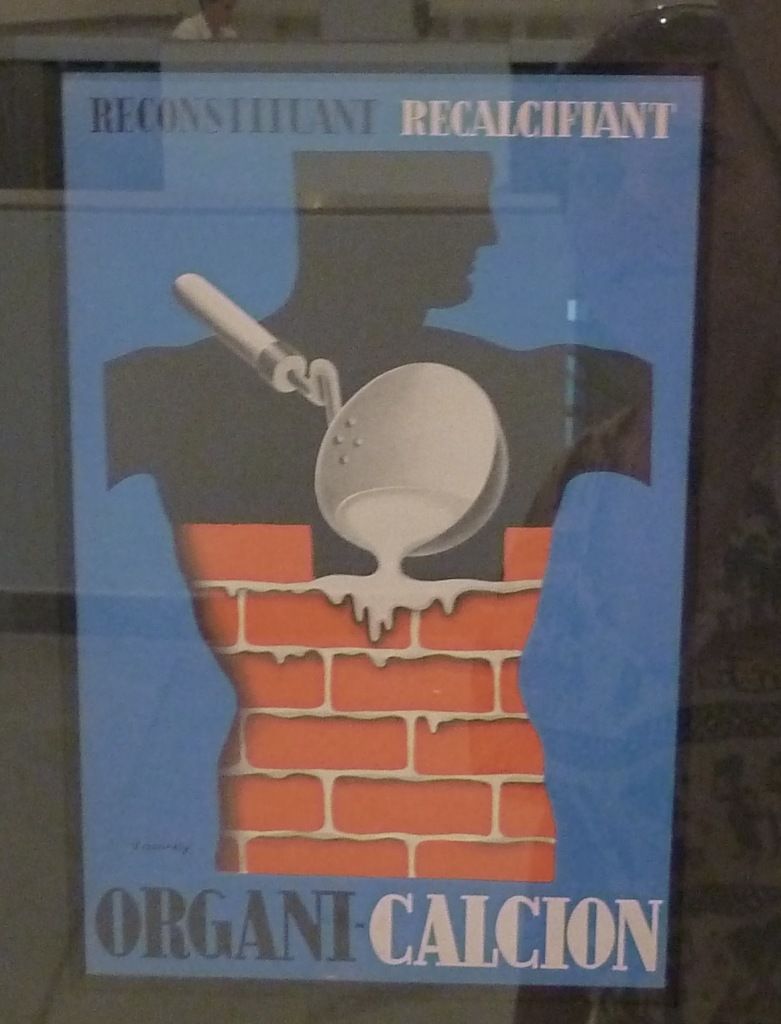
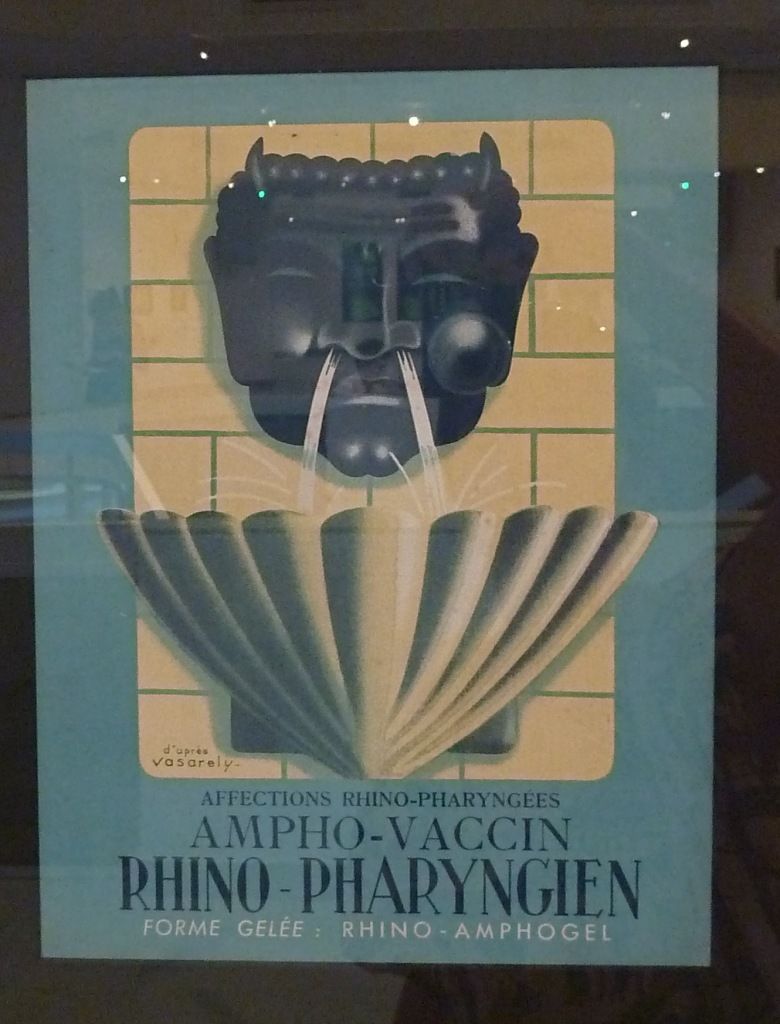
   He began as a graphical artist for advertising companies and in particular drew advertisements for medical products.


   After this, he developed his own geometric abstract art model. He wanted to create an “architectonic centre” to give life to his idea of integrating art into the city. He wanted to “fight the disturbances and forge a happy and polychromatic city”.


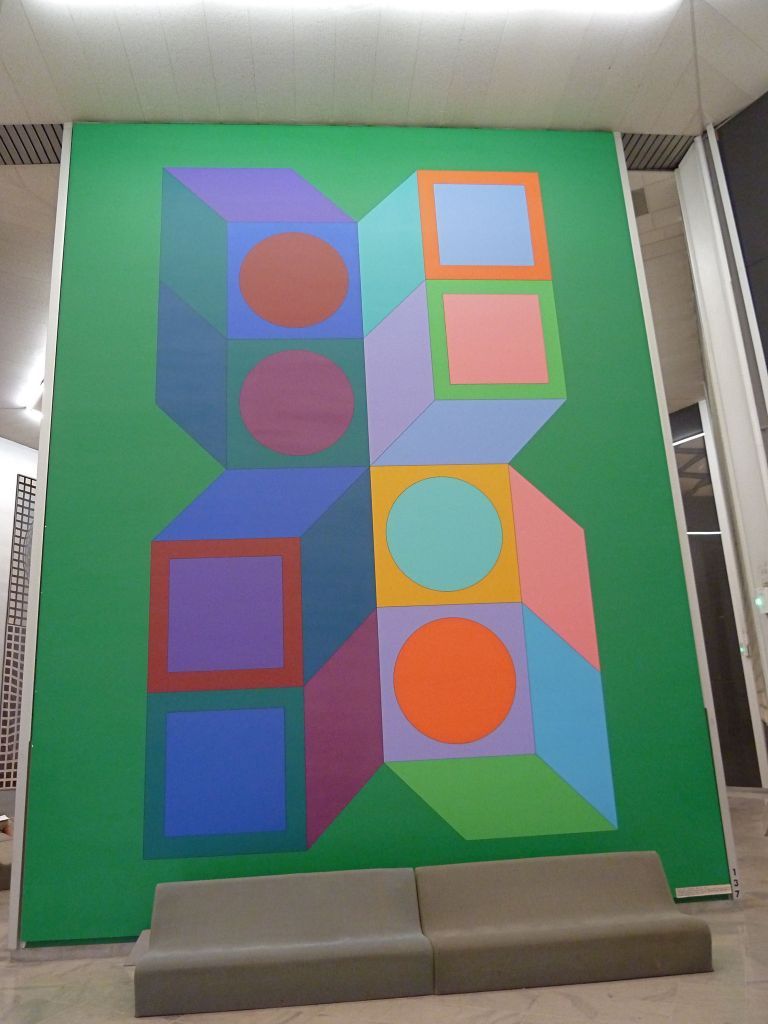
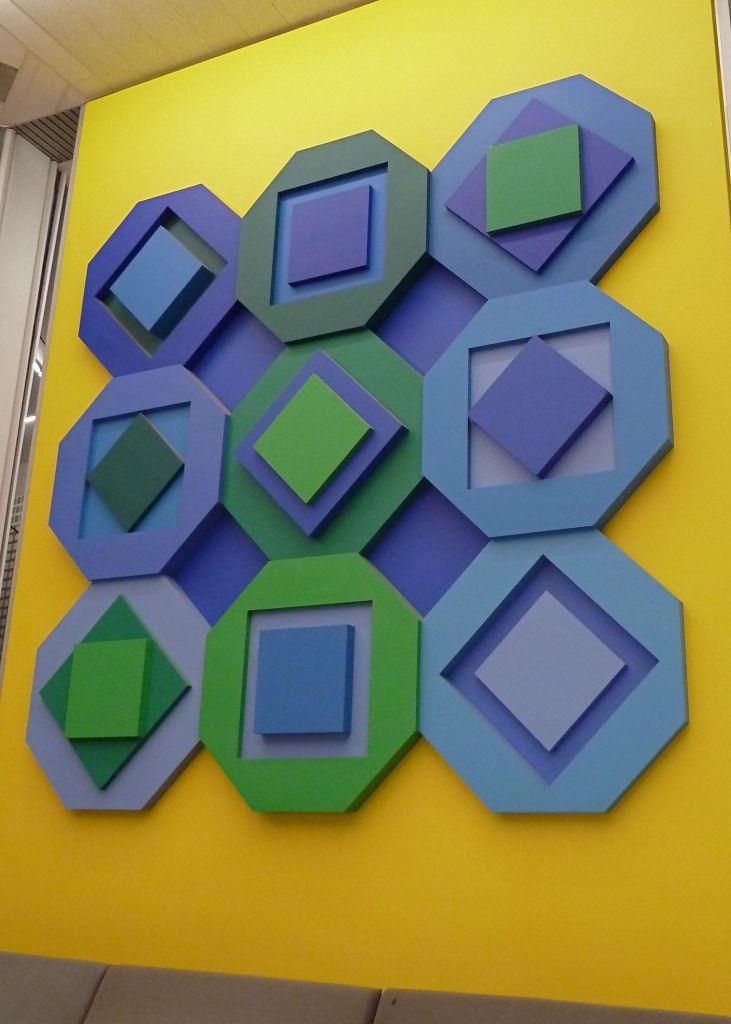
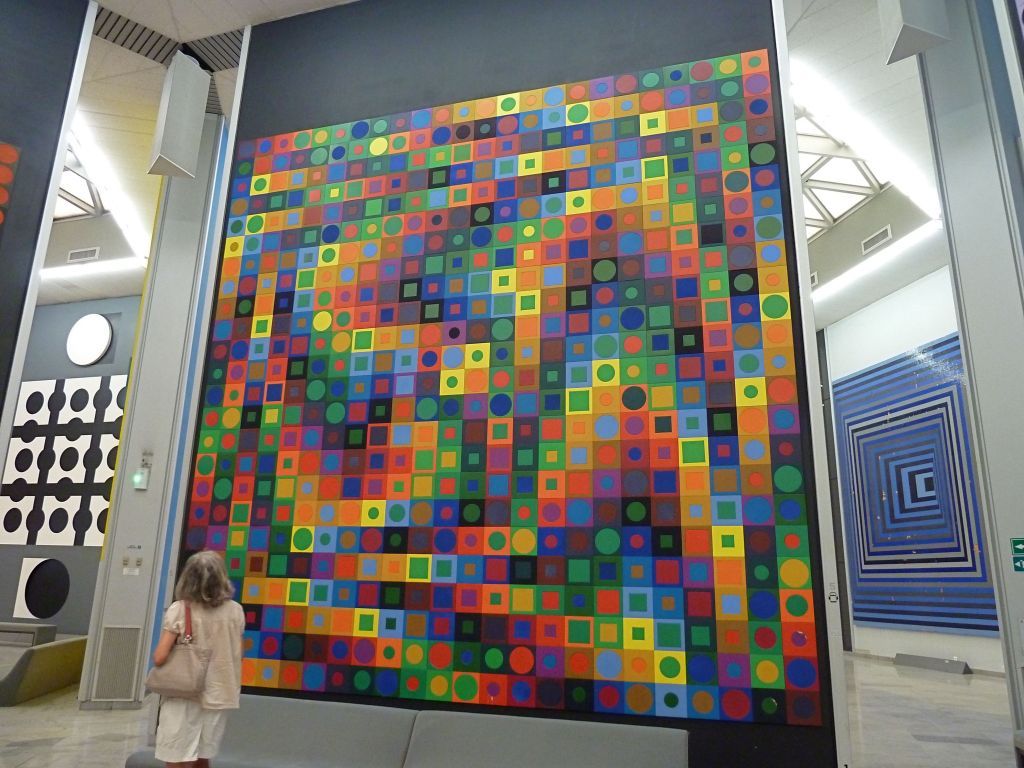
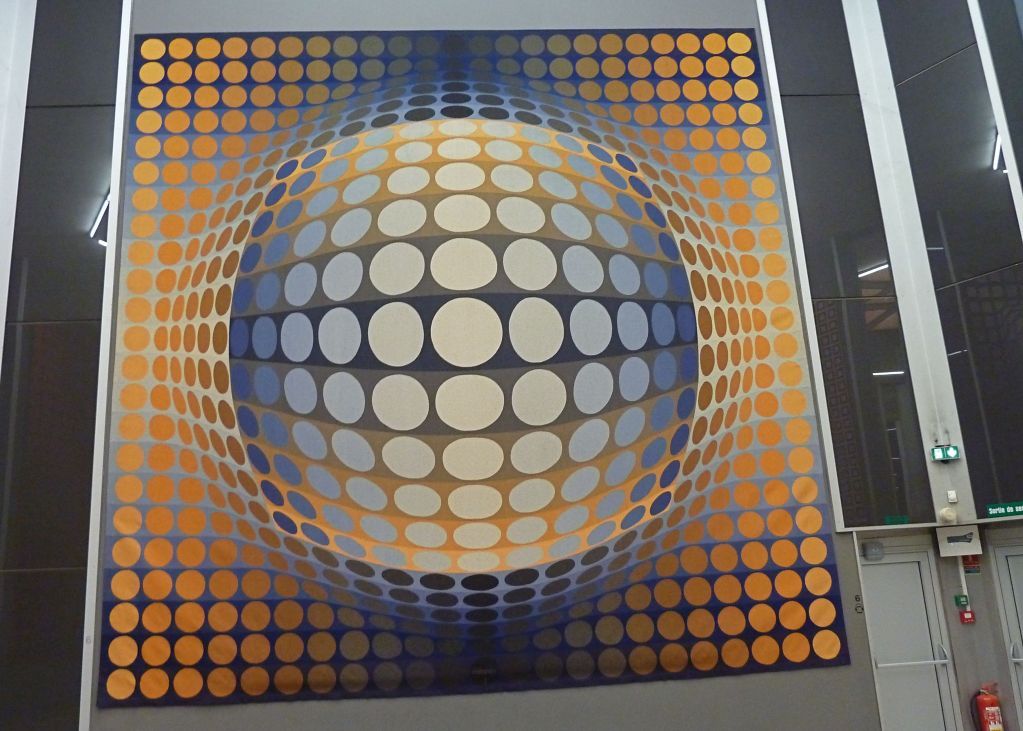
In his art, he uses simple shaped: squares, circles, hexagons, cubes 


and all the colours in between.


He liked representing undulations and linear deformations.


 In his “Las Vegas” phase, he took inspiration from planets and constellations. 
  

He places his designs on tapestries from Aubusson, the Manufacture de la Savonnerie, or the Manufacture des Gobelins.


“The geometric shapes deform and balloon under the pulses of the cosmos”


The artist uses the scientific properties of light and colours to give the impression of a 3rd dimension.


The lighter colours give the impression of coming out whereas the darker ones seem to be receding.

11/07/2012 Fondation vasarely - Aix en Provence

Saturday, October 6, 2012

Yellow and orangy


   I don’t know if it’s because we are more observant, or if we just see more butterflies than before, but this summer was rife with discoveries.


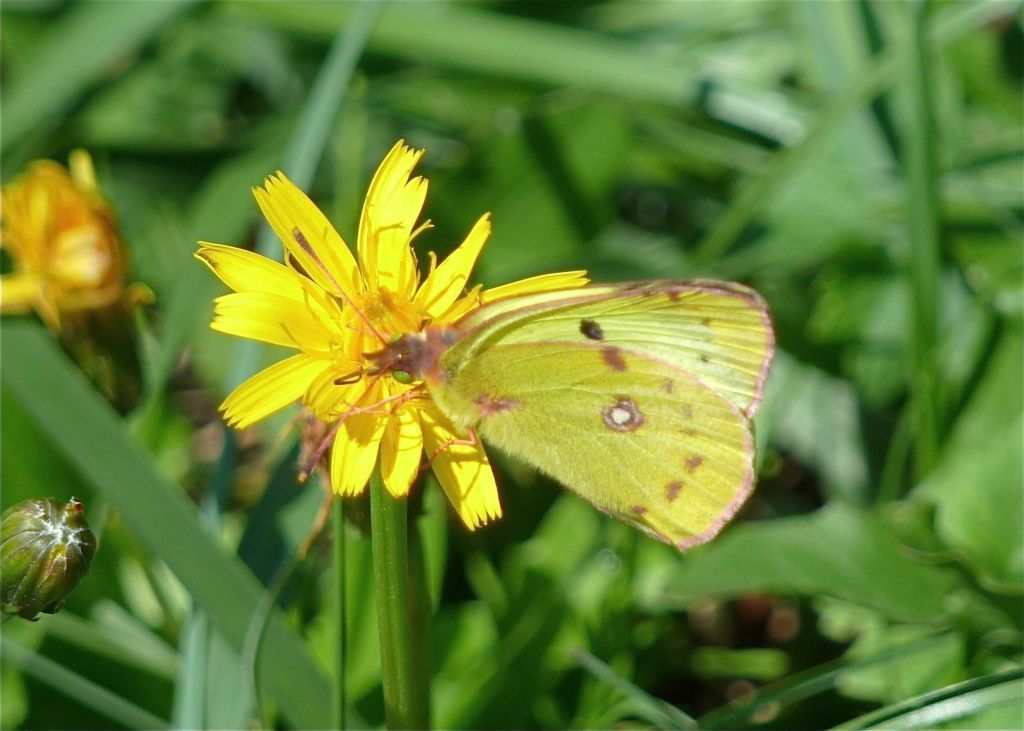
   In the field behind the house, I managed to snap this Common Brimstone (Gonepteryx Rhamni). Not an easy feat, as the butterfly is quite small and keeps moving around. Thankfully, it seemed to like this flower ! Its green caterpillar eats Alder Buckthorn, other Buckthorns, and wild shrubs. New adults emerge at the end of August, and then hibernate, only to return with the first rays of February sun. It is said that this butterfly announces the end of winter. 


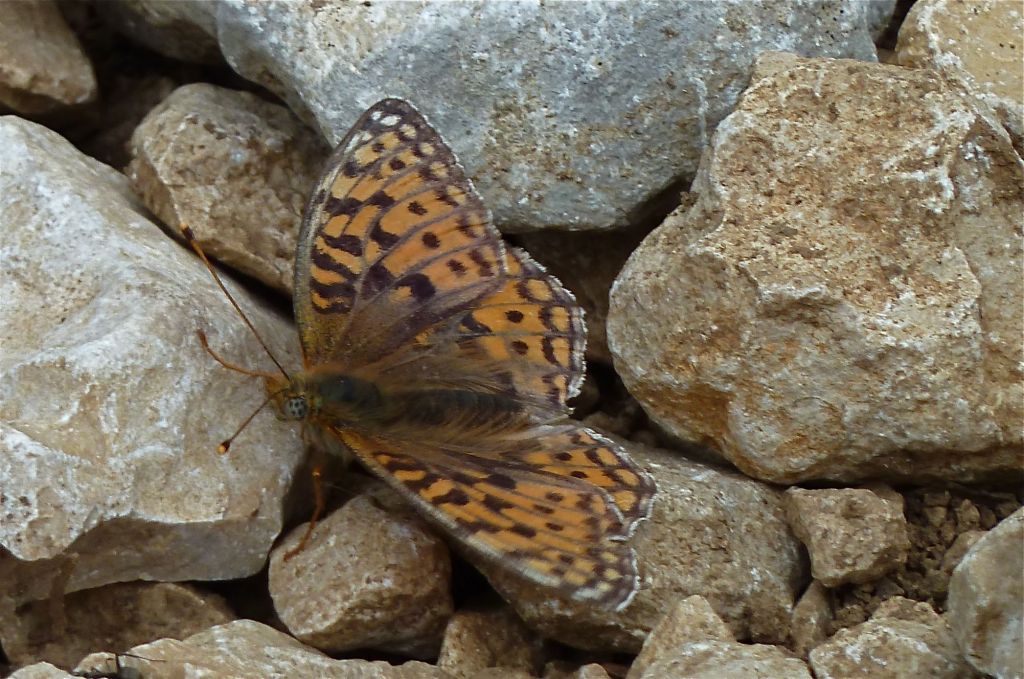
   The High Brown Fritillary (Argynnis adippe, Nymphalidae family, Heliconiinae sub-family) is of medium size and rather lively. This one was snapped under the Col de la Grande Vache. It flies in one generation between June and August, and then hibernates as a caterpillar in the egg. It lives in humid prairies and grassy slopes.


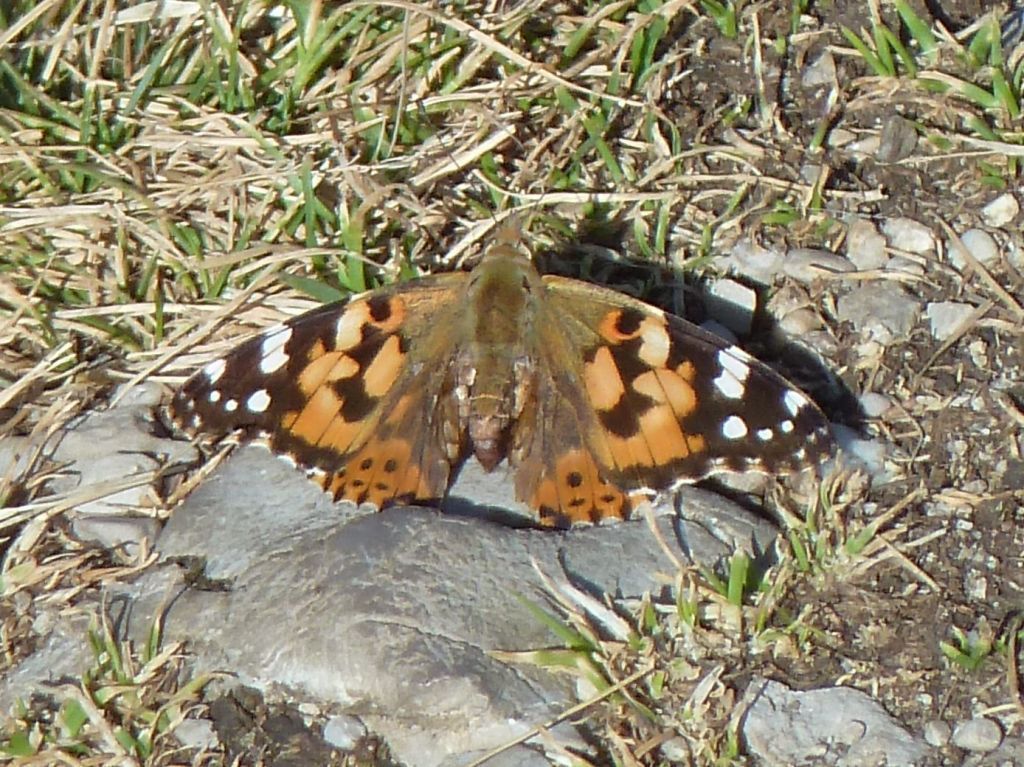
   The Painted lady (Vanessa Cardui – Nymphilidae family) is one of the most widely spread diurnal butterflies. It’s a migratory species that can be spotted from May to September, over the time of one to three generations. The last one migrates to the South (North Africa) where four generations will pass before the journey back North, which is done in two generations. Not a very long lifespan ! It moves in a group of about 4 or 5 at about 25/30 km/h and can travel 500km in a day. It the biggest migratory butterfly known to man.
   Its wingspan is of 40-70mm. It prefers open land – especially those with thistles. It likes nettle, purples, coltsfoot, burdock, lavender, and circium. Its caterpillar, non irritant, is of a green colour interspersed with black, and with yellow spikes. It eats thistles and nettles.

Wednesday, October 3, 2012

L'Azur ... é bleu


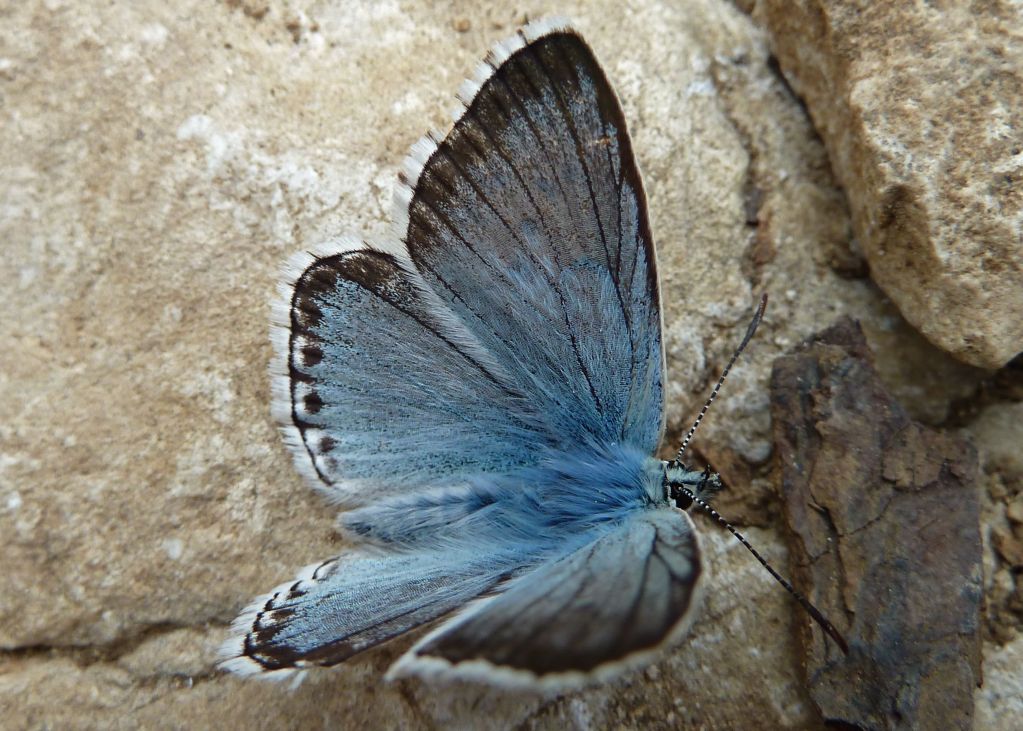
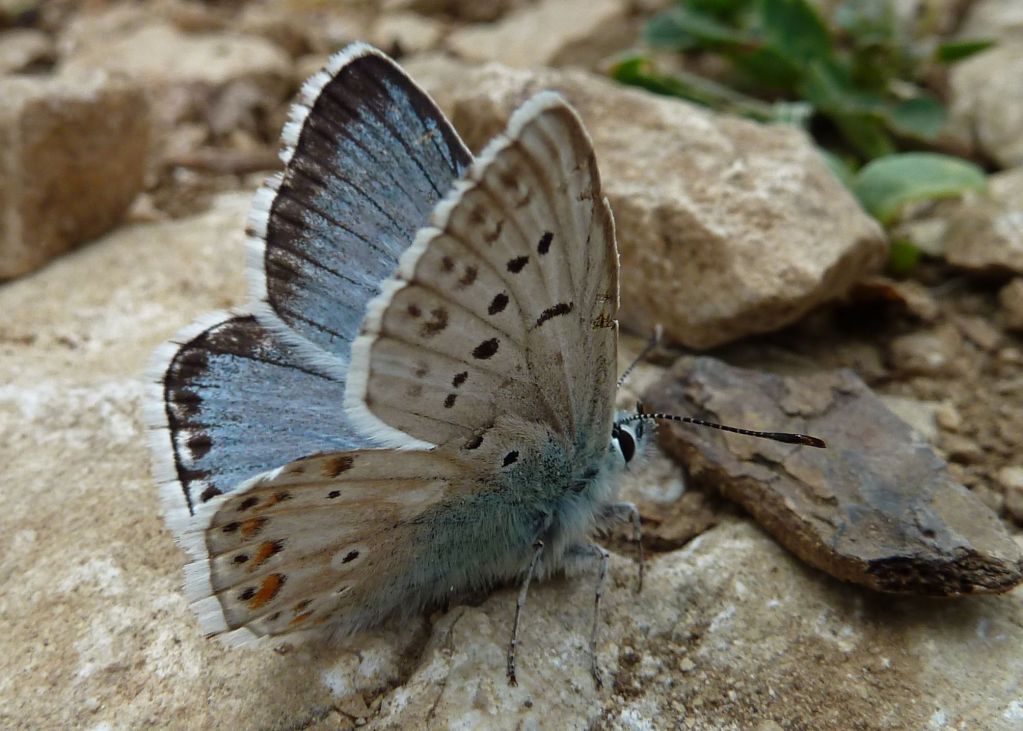
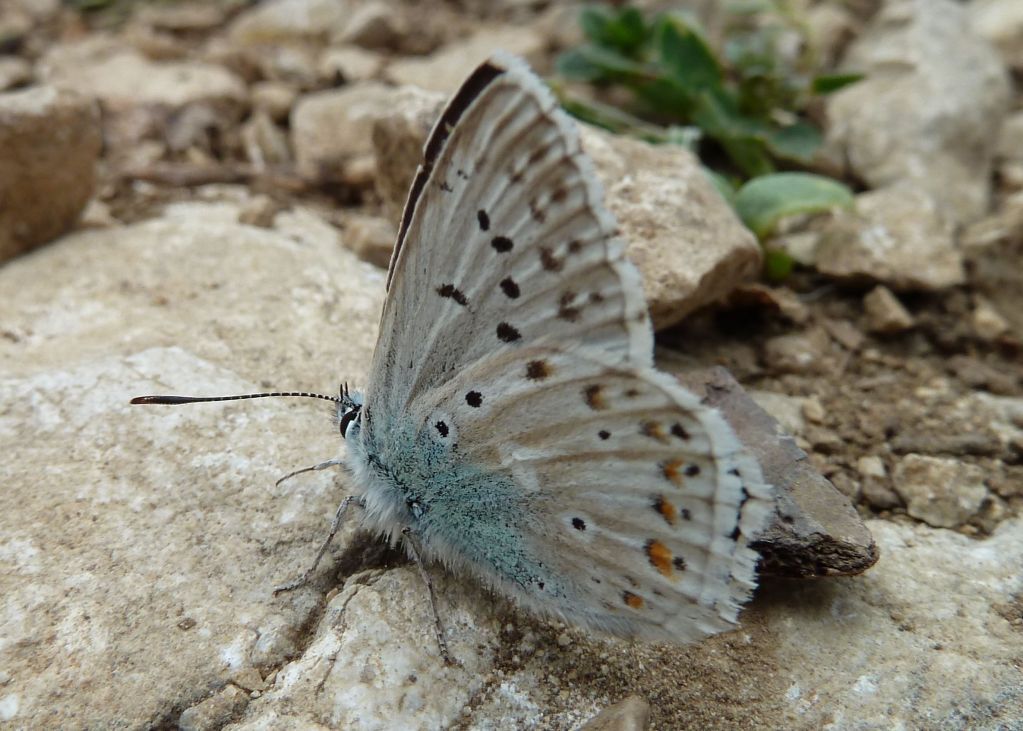
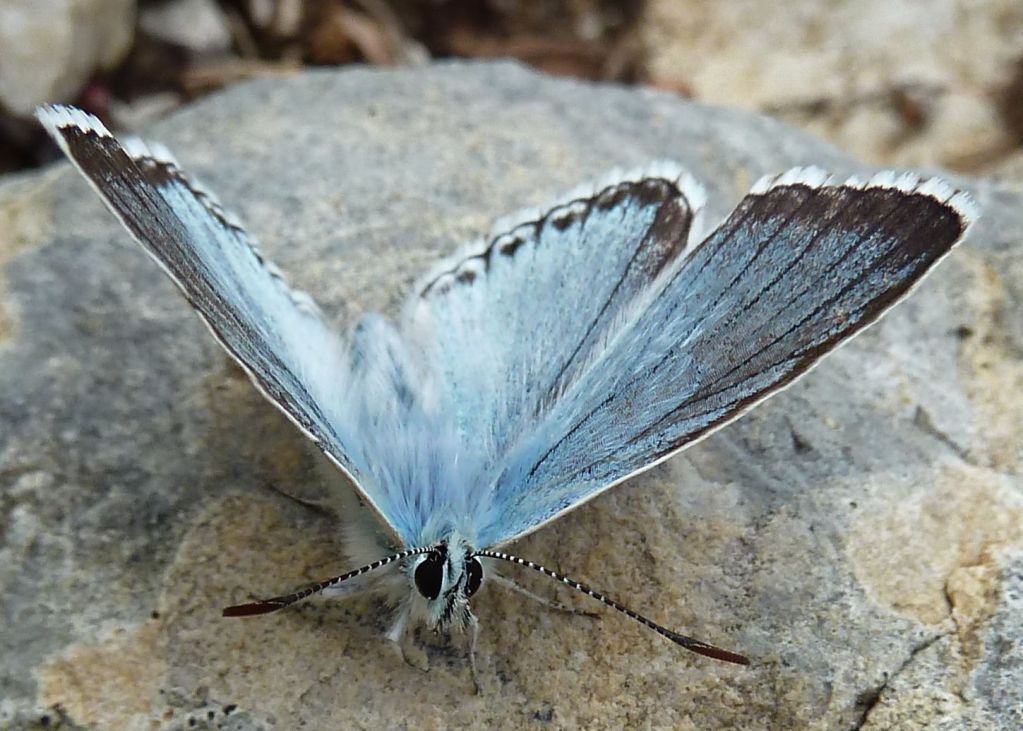
   Here is a butterfly of the Lycaenidae polyommatinae family, a rather small specimen type called Blues and Weak Blues. They are actually named differently depending on what the caterpillar eats – Plantain Blue, Geranium Blue, Stonecrop Blue, Orobe Blue, Vetch blue, etc.


   The top of the male is of a metallic blue fringed with white, as opposed to the female who is brown with a line of orange dots though with the same white border.


   It eats legumes (clovers, lotuses, lucernes…) from prairies, lawns and uncut roadsides. It hibernates at the bottom of plants amidst the vegetative debris. It flies in June and July in colder regions in 2 or 3 generations; and from May to October in warmer regions.


The small and squat caterpillar has a black, retractable head, a green body with dark dorsal line, and a whiteish line on its flank.


  Its antennas are beautifully striped.
13/08/2012 Sous La Grande Vache à 1500m